Fighting Fear with Trust: How Churches Support HEAL Africa’s Ebola Response
11 August 2026
In Goma, eastern DR Congo, responding to Ebola involves more than caring for patients inside a hospital. Drawing on his first-hand experience, HEAL Africa Project Coordinator Pytchen Kalonda explains why trusted churches and community leaders are vital in helping people overcome fear, receive reliable information and seek medical care.
This article is based on WorldShare’s July 2026 conversation with Pytchen Kalonda, Project Coordinator at HEAL Africa in Goma, for the On Mission with WorldShare podcast.
When a patient with Ebola arrived at HEAL Africa Hospital in Goma, the medical team faced an immediate and serious challenge.
Drawing on their experience, doctors and nurses recognised the warning signs, arranged testing and isolated the patient. Staff members who had initially provided care were also placed in preventive isolation to reduce the risk of the virus spreading through the hospital.
After approximately 20 days of treatment and care, the patient was declared well enough to return home and resume daily life. It was an encouraging outcome and a testament to the dedication of HEAL Africa’s team.
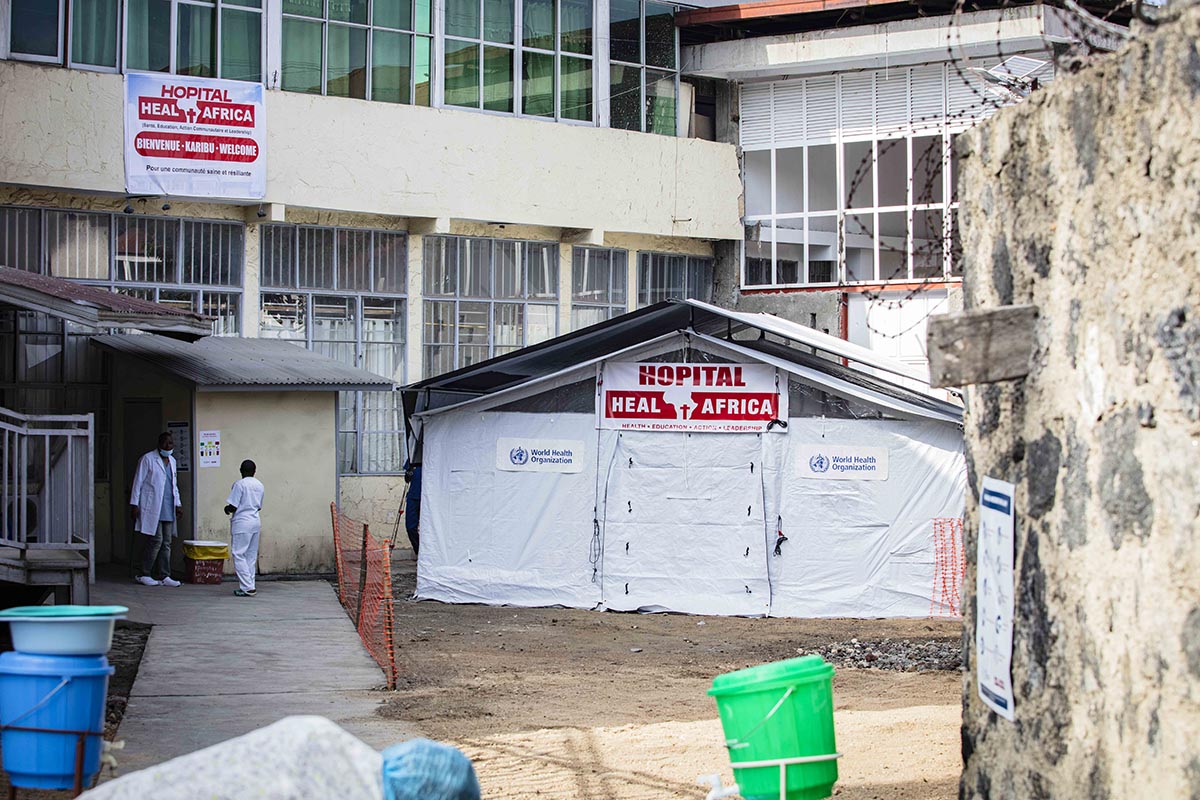
Ebola understandably causes considerable fear. However, that fear can sometimes prevent people from taking the very steps that could protect them and others.
Speaking to Andrew Yelland on the On Mission with WorldShare podcast, Pytchen explained that some people were afraid to visit a hospital when they became unwell.
Some feared that they might be placed in isolation if they tested positive for Ebola. Others worried that entering a hospital could expose them to the virus. This fear has led to a crisis in child immunisation in parts of DR Congo, as mothers keep their children away from vaccination clinics.
HEAL Africa therefore faced a challenge that could not be addressed through hospital care alone. People needed clear, reliable information about what to do if they developed symptoms and why seeking medical help quickly was so important.
“We at HEAL Africa keep on sensitising the people,” Pytchen explained, referring to the team’s work raising awareness and helping communities understand how to reduce transmission and prevent the outbreak from spreading.
Sharing this information requires more than delivering a public message. It requires trusted relationships.
HEAL Africa is a Christian organisation with a hospital of more than 250 beds, community projects across DR Congo and training services for healthcare workers, civil society leaders, churches and local communities.
This wide-reaching work means that HEAL Africa’s relationship with local people extends far beyond the hospital in Goma.
The organisation partners with more than 90 local churches and organisations. Through these established relationships, HEAL Africa can reach communities with practical health guidance, even when resources are limited.
“We work with churches, we work with local leaders, we work with local organisations that have seen the impact that HEAL Africa has in the community,” said Pytchen. “We are welcomed wherever we knock. They open doors for us because of our relationship with them.”
Churches can help people understand how Ebola spreads, why measures to prevent infection matter and when they should seek medical care. They can also encourage people to follow advice that may feel unfamiliar or disruptive.
Pastors, chaplains and other Christian leaders are already part of the communities they serve. They are trusted people who have often accompanied individuals and families through many different challenges. This places them in a valuable position to listen to people’s concerns, address misinformation and share reliable guidance.
Trusted relationships are vital, but church and community leaders also need accurate information and practical training.
Pytchen highlighted the need to equip pastors and chaplains serving in churches, schools and prisons. These leaders regularly support people affected not only by disease, but also by conflict, displacement and trauma.
With the right knowledge, they can help their communities recognise risks, understand health guidance and respond appropriately when someone becomes unwell. They can challenge misinformation and encourage people not to hide symptoms or avoid medical care.
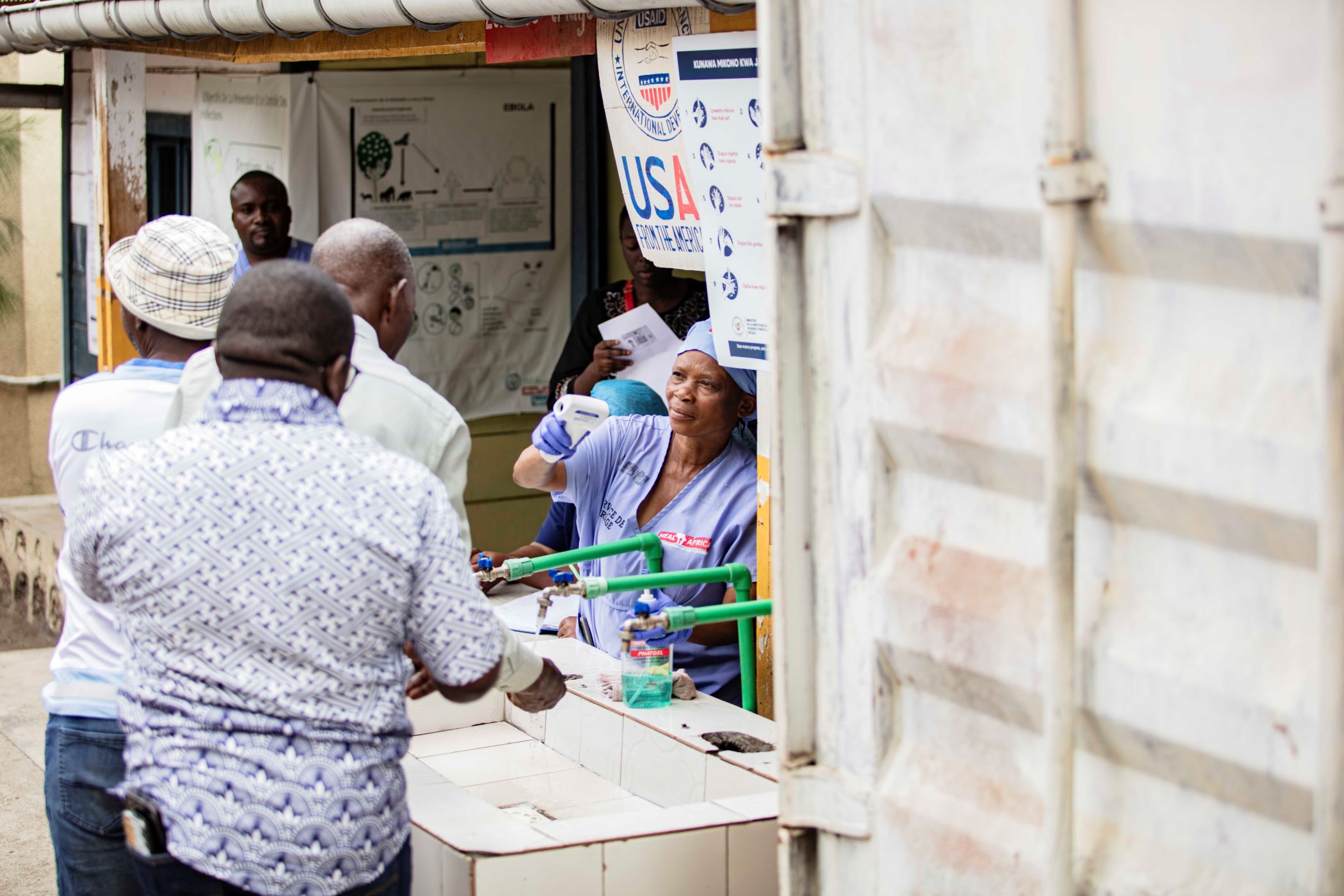
HEAL Africa is also working through its local networks to provide practical resources such as handwashing stations, soap and sanitiser.
This community-based approach demonstrates the importance of locally led responses. HEAL Africa understands the context, communicates through established relationships and remains present before, during and after an emergency.
WorldShare was the only organisation that supported HEAL Africa in dealing with their Ebola positive patient. It helped HEAL Africa obtain medicines, protective supplies and hand sanitiser during the Ebola response.
As Pytchen’s account shows, responding to Ebola is not only about treating individual patients. It is also about overcoming fear, building trust and equipping communities to respond together. Now that the initial stage of the crisis has concluded, WorldShare's role is to stand alongside HEAL Africa, helping to provide the resources its teams need to serve vulnerable people effectively.
The contribution of local churches extends beyond communicating health advice.
Eastern DR Congo has experienced prolonged conflict and repeated displacement. When fighting forces people to leave their homes, many seek safety in churches, schools and other public places. Pastors and church leaders may find themselves welcoming people who have lost their homes, possessions and sense of security.
If these leaders are not adequately prepared, it can be difficult for them to respond to the scale and complexity of people’s needs.
Training can help them offer informed support to those facing illness, displacement and trauma. It can also equip them to recognise when someone needs specialist medical or psychological care.
For Pytchen, the church’s role in these circumstances is deeply significant.
“The churches are the good places where they get support emotionally, physically, spiritually and even socially,” he said.
This reflects HEAL Africa’s commitment to holistic healing. Its work recognises that people are not defined by a single illness or immediate need. Physical health, emotional wellbeing, relationships, faith and social circumstances are often closely connected.
Medical treatment remains essential, but people may also need reassurance, practical assistance, compassionate accompaniment and the hope found in the Gospel.
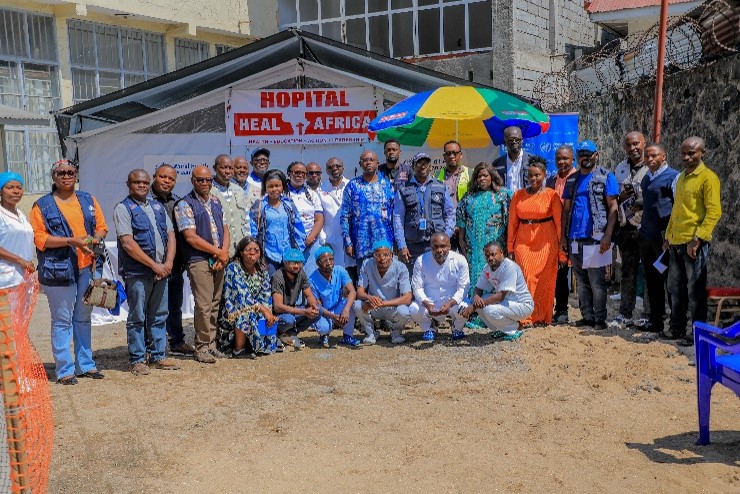
WorldShare has partnered with HEAL Africa for more than 30 years. That long-standing relationship reflects an essential part of how WorldShare works. Equipping local Christian partners who understand their communities and have built trusted relationships over many years.
HEAL Africa’s medical teams bring considerable skill and experience. Its community networks help reliable information reach people beyond the hospital. Local churches offer places of welcome and accompany people through fear, illness and uncertainty.
Each part strengthens the others.
