Should Christians Share the Gospel or Meet Practical Needs?
21 September 2026
Christian mission is sometimes presented as a choice between sharing the Gospel and responding to practical needs. Yet the ministry of Jesus, and the example of local Christians serving their communities today, show why compassionate action and the hope of the Gospel are intrinsically linked.
This article draws on WorldShare’s conversations with Bible teacher Andy Robinson and Graham Albans, Director of Mission and Outreach at Grace Community Church in Bedford, recorded at Keswick Convention 2026 for the On Mission with WorldShare podcast.
When Jesus encountered people in need, he did not simply speak to them from a distance. He entered their circumstances with extraordinary compassion. He healed the sick, welcomed those whom others rejected and brought hope into lives marked by suffering. Yet he also proclaimed the kingdom of God and called people to follow him. (Matthew 4:23; 9:35–36)
For Christian mission today, sharing the Gospel and demonstrating God’s love are not competing priorities. They belong together.
This conviction shapes WorldShare’s partnerships with local Christian ministries around the world. Our partners respond to practical needs within their communities while helping people encounter the lasting hope found in Jesus.
During his conversation for On Mission with WorldShare, Andy Robinson reflected on Matthew chapters 8 to 12. These chapters show Jesus announcing God’s kingdom through his teaching and demonstrating its reality through his actions.
Sickness, evil and even death are confronted by the authority and compassion of Jesus. For a time, people are given a glimpse of what it looks like for heaven to connect with earth and of the future towards which God’s kingdom is moving.
As Andy explained:
“It does seem to me that the kingdom must be both proclaimed and demonstrated.”
By Matthew 10, the disciples are no longer simply watching Jesus. They are sent out and invited to participate in his mission.
Their particular instructions belonged to a specific time and context, so Andy cautioned against treating Matthew 10 as the pattern for Christian mission in every age. Nevertheless, its important principles sit within a wider New Testament pattern in which the Gospel is proclaimed in words and demonstrated through compassion, generosity and faith filled service.
Christians have a message of forgiveness, hope and new life in Jesus. But the way we treat people should support what we say about him.
In Andy’s words:
“We have an astonishingly powerful message, and we will want to demonstrate that in our compassion towards those in need.”
Speaking about the love of Jesus from a safe distance, without compassionately engaging with those experiencing pain, is not an adequate expression of Christian mission. Equally, our practical actions do not always explain the source of the hope that motivates them.
When someone is hungry, displaced, unwell or facing injustice, their need is real and immediate.
Christian compassion should never treat practical help merely as a way of gaining someone’s attention. People matter because they are created and loved by God.
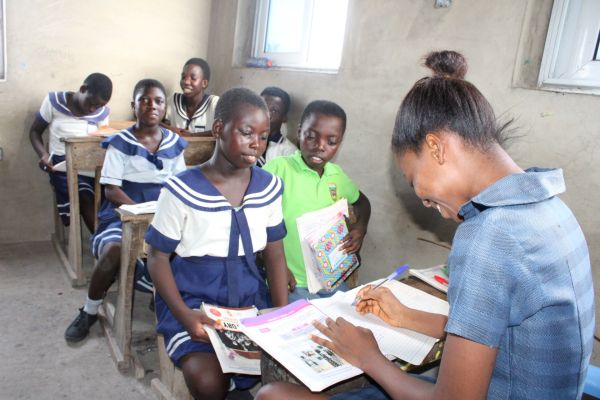
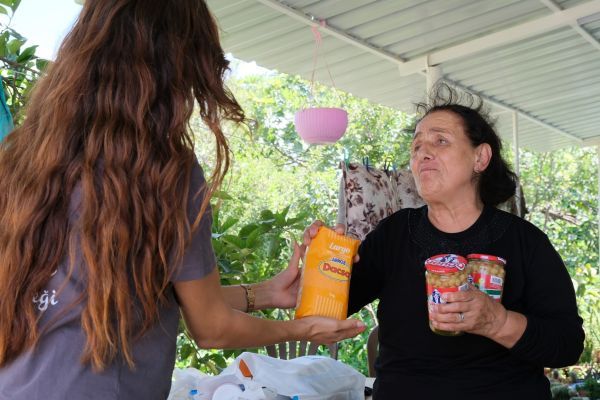
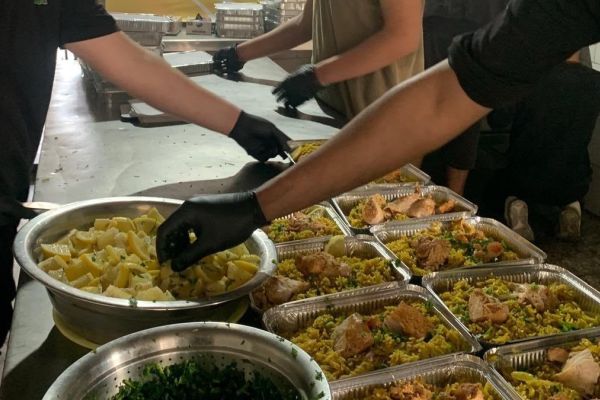
Food should be offered to those who are hungry because their hunger matters. People who are ill should receive dignified care because their suffering matters. Children should have opportunities to learn and thrive because their lives and futures matter.
Yet Christians also believe that humanity’s deepest need is for the forgiveness, hope and new life found in Jesus.
Our actions may demonstrate something of his love, but they do not necessarily explain themselves. Someone may recognise that a Christian is caring or generous without understanding why. There are therefore times when Christians should also speak, sensitively and honestly, about the difference Jesus makes.
Words without compassion can feel distant. Compassion without explanation can leave the source of our hope unspoken. Christian mission needs both.
In another conversation for On Mission with WorldShare, Graham Albans shared what he had witnessed during a visit to Mexico with Open Doors.
In communities where openly following Jesus could result in exclusion, discrimination or danger, local Christians were finding practical and relational ways to serve others.
Some ran football activities for children and young people living amid crime, gang influence and difficult family circumstances. Before one session could begin, broken glass and bricks had to be cleared from a concrete playing area.
Others taught in schools, welcomed neighbours into their homes or gathered small groups to explore the Bible. They built relationships with children and families over time, creating opportunities for connection, encouragement and joy. As they shared their lives with people, they also found natural opportunities to speak about Jesus.
Graham summarised this relational approach simply:
“This is authentically sharing your life with people, and Jesus is a part of your life. So, share him as part of it over the long term.”
These Christians were not choosing between practical care and telling people about Jesus. Their service and their desire to make Christ known were part of the same long-term commitment.
It was not mission built around one event or a hurried presentation. It involved remaining present, building trust and sharing the Gospel naturally as relationships developed.
What Graham witnessed in Mexico also illustrates why locally led mission is so important.
Local Christians understand the languages, cultures and challenges of their own communities. They know the relationships and sensitivities that visitors may struggle to recognise. Their involvement is not limited to the duration of a short trip. They live alongside the people they serve and remain after outside attention has moved elsewhere.
This lies at the heart of WorldShare’s approach.
WorldShare does not send missionaries overseas. Instead, we partner with local Christian ministries already rooted in their own countries and communities, supporting them as they respond to local needs and share the hope of the Gospel.
One partner may provide vital healthcare where treatment is difficult to access. Another may help children receive an education, support families experiencing poverty, respond after a disaster or offer safety and care to people in vulnerable circumstances.
The response looks different in every place because each partner understands its own context. But the shared purpose remains: demonstrating God’s love in practical ways and helping people discover the hope of the Gospel of Jesus.
Our role is to listen, pray and stand alongside them, recognising that we also have much to learn from Christians faithfully serving within their own communities.

Practical help should never be offered merely as a means of gaining a hearing for the Gospel. Christians respond because people experiencing hunger, displacement and loss matter to God.
Yet when the love of Christ is expressed through compassionate and tangible care, people often begin to ask why local Christians have chosen to stand alongside them. As relationships and trust develop, some become more open to hearing about the hope that motivates that response.
We see this same pattern in the work of WorldShare’s ministry partners and trusted Christian contacts around the world.
In Gaza, Gaza Baptist Church has consistently provided hot meals, tents, food baskets, drinking water and other essential support to families living through immense hardship. People have spoken not only about what they received, but also about the quality, dignity and personal care with which help was given. As trust has developed, more people have felt comfortable asking questions about Jesus and the Christian faith. These conversations are not forced but grow naturally from relationships and tangible expressions of Christ’s love.
After the 2023 earthquake in Türkiye, Antakya Christian Church provided practical relief, including warm clothing, while sharing the hope of the Gospel. As people experienced the church’s care, relationships developed and the number of people attending the church grew.
Following the 2025 earthquake in Myanmar, local Christian relief teams combined food, clean water and shelter with personal care, comfort and prayer. Aid was delivered personally, with time taken to listen to people’s grief and respond to their emotional and spiritual needs. As those relationships developed, house churches began to form.
These experiences do not give us a simple formula in which practical aid automatically leads to church growth. Faith is a personal response, and the results of mission belong to God. They do show, however, that tangible expressions of Christ’s love can challenge assumptions, build trust and create opportunities for people to hear the Gospel. When people become open to that message and listen to it, some are moved to respond.
Towards the end of Matthew 9, Jesus looks at people who are distressed and dejected, like sheep without a shepherd. He then describes a plentiful harvest and tells his disciples to pray for workers.
Significantly, when Jesus begins to involve his disciples in mission, his first instruction is to pray.
Prayer reminds us that Christians are not in control of God’s mission. We have a part to play, but the harvest belongs to him.
This is also why prayer matters so much to WorldShare’s local partners. Practical and financial support can provide important resources, but partners also need wisdom, strength, encouragement and protection as they respond to complex needs and share Jesus within their communities.
For many of us, supporting global mission may begin with discovering WorldShare’s local Christian partners, learning about the communities they serve and praying faithfully for them. Over time, that concern may also shape how we give, what we share with others and how we encourage our churches to engage with God’s work around the world.
The choice between sharing the Gospel and meeting practical needs is ultimately a false one.
Jesus proclaimed God’s kingdom and demonstrated its compassion. Today, WorldShare’s local Christian partners follow that pattern as they respond to real needs and make the hope of Jesus known within their own communities.
Their work reminds us that people are never projects or problems to solve. They are people loved by God, with needs that matter today and an eternal value beyond measure.
That is why Christian mission needs both words and action.
