A Sofa, a Pizza and a Place to Belong
25 September 2026
Many younger people are searching for meaning, belonging and people willing to take a genuine interest in their lives. Helping a new generation discover global mission may begin not with a formal programme, but with ordinary hospitality, honest conversation and Christians willing to come alongside them.
This article draws on WorldShare’s conversations with Mark Ellis, Chief Executive of Keswick Ministries, and Graham Albans, Director of Mission and Outreach at Grace Community Church in Bedford, recorded at Keswick Convention 2026 for the On Mission with WorldShare podcast.
How can the Church inspire a new generation to care about global mission?
It is tempting to look first for the right event, speaker or programme. These can all be valuable, but Mark Ellis believes the answer may begin somewhere much more ordinary. It may begin with Christians who are willing to open their homes, make time for younger people and build genuine relationships.
His list of what is needed is refreshingly uncomplicated:
“All you need is a log fire or a sofa, or perhaps a frozen pizza, preferably cooked. It’s actually just about building relationships.”
Behind the humour is an important point. Younger people do not only need information about faith or global mission. They need people willing to know them, listen to them and share life with them.
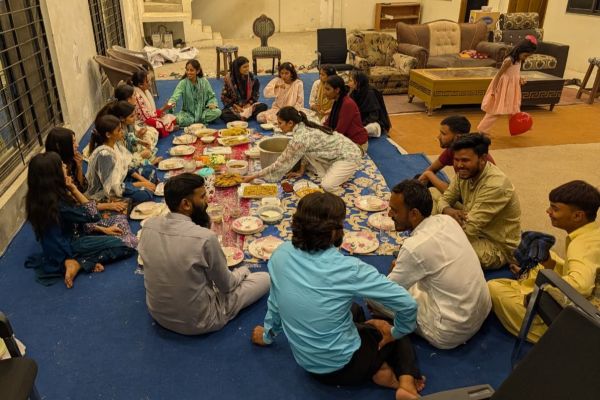
Mark believes younger generations should not simply be described as uninterested in Christianity. He sees many searching for roots and meaning and looking for answers to questions that previous generations sometimes assumed they would ignore.
Many have grown up with little knowledge of the Bible or the Christian faith. However, this can also mean they have not inherited the same negative experiences or assumptions about church. Through his previous work in student ministry, Mark saw younger people drawn towards Jesus and wanting to know more about him.
At the same time, he described a generation facing considerable anxiety and brokenness. Rather than hiding their vulnerability, many are willing to recognise it and search for help. This can create an openness to grace, Christian community and relationships with people from older generations.
“This is a generation that is actually looking for help and looking for people who are speaking into their lives.”
Speaking into someone’s life does not mean lecturing them or expecting them to reproduce the experiences of an older generation. It means listening to the realities they face and offering the wisdom, encouragement and honest friendship that can grow from a life lived with Jesus.
Their culture, pressures and questions may be different, but the need for trustworthy relationships remains.
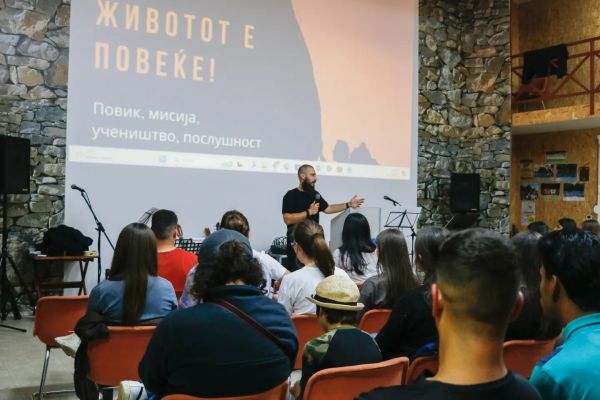
Mark reflected that many Christians feel unsure about talking to students or younger adults. They may assume they will have little in common or worry about saying the wrong thing.
Yet younger people may not be looking for someone who understands every aspect of their world. They may simply be looking for someone who is genuinely interested in them.
“What younger people are looking for is people who care about them and who can get alongside them.”
Coming alongside someone does not require all the answers. It might involve sharing a meal, asking thoughtful questions, remembering something they have mentioned or making space for another conversation. Trust grows through consistency and the confidence that another person is interested in them, rather than simply waiting for an opportunity to deliver advice.
A sofa and a cooked frozen pizza will not solve every spiritual or emotional struggle. They can, however, help create a place where someone knows they are welcome and where honest conversations can begin.
Graham Albans made a related point while reflecting on how Christians share Jesus within everyday relationships.
Graham described each Christian as a “daily testimony”. Our testimony is not limited to the story of how we first became a Christian. It also includes the difference Jesus makes in our lives today, including how faith sustains us through difficulty, how our church supports us and what gives us hope when circumstances are uncertain.
Younger people need more than an idealised picture of Christian life. They need opportunities to see faith being lived honestly through work, family life, unanswered questions, disappointment and ordinary responsibilities.
This does not mean presenting ourselves as perfect Christian role models. It means allowing people to see what following Jesus looks like in reality. That may include admitting mistakes, asking for forgiveness, explaining why we pray or sharing how Christ has remained faithful during a difficult time.
Graham’s wider encouragement was to share life authentically, allowing Jesus to be part of it over the long term. Faith is not passed on through information alone. It is also seen through the lives of people for whom Jesus is not simply a subject they discuss, but someone who shapes how they live.
These relationships can also help younger Christians discover that their faith is part of something much larger than their own church or country.
For someone unfamiliar with global mission, stories from other parts of the world can initially feel distant. The scale of poverty, injustice, conflict or limited access to the Gospel may seem overwhelming, and it can be difficult to know where to begin.
An older or more established Christian can help make those connections personal. They might share the story of a ministry partner they pray for, explore WorldShare’s prayer resources together, listen to a podcast episode or pass on a story from our emails or WhatsApp updates. They could also explain why a particular community or area of ministry matters to them.
These do not need to become formal teaching sessions. A story might simply become part of a conversation over dinner, followed by a short prayer for the people involved. Over time, a distant country or unfamiliar ministry can become a real community whose challenges, faith and hopes matter personally.
Some younger Christians may develop a commitment to pray for a particular ministry. Others may share what they are learning with friends, support a project, encourage their church to become involved or use their abilities to strengthen locally led Christian work. A few may eventually sense God leading them towards a particular profession, ministry role or country.
Concern for global mission often grows through exposure, relationship and example. Someone first helped us see beyond our immediate surroundings. We can help someone else do the same.
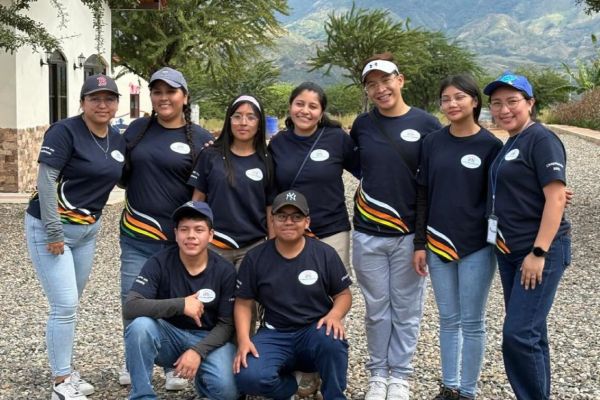
Stories of urgent need matter and should be communicated honestly. However, younger Christians should not be made to feel personally responsible for solving every problem they encounter.
Nor should global mission be presented simply as a valuable cause belonging to an older generation, which younger people must now continue in exactly the same way.
A lasting concern for mission grows as people discover who Jesus is, see his love reflected through his Church and recognise that God can use them as part of his work. We can invite them to pray, learn and respond without suggesting that there is only one acceptable way to become involved.
Younger Christians may also bring different abilities, communication methods and perspectives. They may notice opportunities that established churches and organisations have overlooked. Coming alongside them means offering roots and encouragement while allowing them room to ask questions, contribute ideas and discover how God may use them.
It is easy for conversations about younger generations to focus on anxiety, disengagement or everything the Church fears losing. Mark spoke from a very different position:
“I am thrilled by the possibilities of the next generation.”
His hope is connected partly to the qualities he sees among younger people:
“They’re coming through with more humbleness, more desire for grace and more brokenness, and that has potential to change the shape of the church in the next ten, twenty or thirty years.”
Recognising our weakness can create a greater openness to grace and dependence on God. Qualities that may appear to be disadvantages can become part of how God shapes his Church for the future.
The next generation does not need to imitate every method used by those who came before. But it does need roots in Scripture, joy in Jesus and a vision of God’s work that reaches far beyond the individual.
Older Christians have an important part to play by drawing near, sharing what they have learned and remaining willing to listen. The relationship does not need to be complicated. It may begin with an invitation, a simple meal and enough time to hear what someone has to say.

Inspiring another generation to care about global mission may not begin on a platform. It may begin in your living room, over a meal or through a conversation that continues because you took time to listen.
Is there a younger person in your church, family or community whom you could encourage? You may not feel particularly wise or experienced, but your interest, prayers and willingness to share life could make a lasting difference.
Perhaps you could explore one of WorldShare’s ministry partners together, share a story from the global Church or ask what aspect of God’s work particularly interests them. You do not need to know where that first conversation will lead.
A sofa, a pizza and a place to belong may seem ordinary. In God’s hands, ordinary relationships can help a new generation put down roots, grow in faith and discover their own part in global mission.
