Helping Every Child Flourish
09 November 2026
For vulnerable children, gaining a place in the classroom is an important beginning. At High Priest Academy in Ghana, academic teaching is combined with nutritious meals, Christian care, technology and opportunities to discover the abilities that could shape each child’s future.

What helps a child make the most of an education?
Good teaching is essential, but children may struggle to learn when they are hungry, lack suitable resources or receive little encouragement beyond the classroom. At High Priest Academy, the team therefore seeks to support every area of a child’s development.
Pupils study Ghana’s national curriculum, while also receiving opportunities to grow through Christian teaching, creative and practical activities. The aim is not simply to help children complete their schoolwork, but to give them the knowledge, confidence and care they need as they prepare for the future.
As John Adu explains:
“A child who comes to High Priest Academy is trained holistically.”
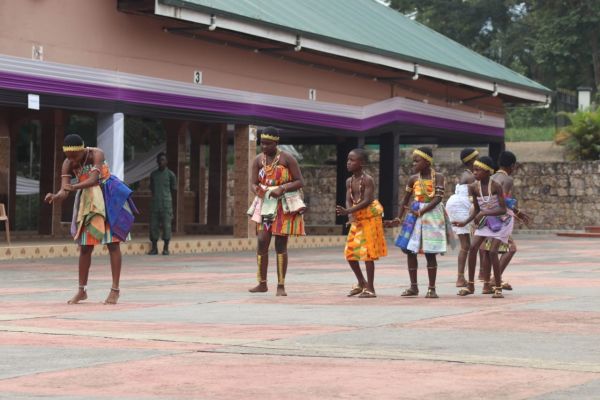
HPA teaches children from the crèche to the end of junior high school. Pupils study subjects including English, mathematics, science, social studies, computing, and religious and moral education.
Alongside the academic curriculum, children can take part in music, athletics and different sports. Some pupils may excel in the classroom, while others discover strengths through creative, practical or physical activities. Because teachers do not yet know where each child’s particular abilities may lead, they want pupils to have the broadest possible opportunities to learn and grow.
This is particularly important for children whose circumstances might otherwise have kept them out of education altogether. Without opportunities to try different subjects and activities, their abilities could easily remain undiscovered.
HPA wants each pupil to take part, grow in confidence and begin recognising what they may be capable of achieving. This broad approach helps children see education not merely as something they must complete, but as an opportunity to discover new interests and possibilities.
Children cannot make the most of their education when they are hungry. HPA provides a nutritious meal during the school day, and for some pupils it may be the only full meal they receive.
Rising food prices have made this increasingly expensive, but the school recognises how closely nutrition, attendance and learning are connected. Having food available can encourage regular attendance, help children concentrate and support their physical development.
For pupils whose circumstances at home may be uncertain, knowing what to expect at school also brings valuable consistency.
“When they leave home and come to school, they feel safe, and they know that at least they will eat.”
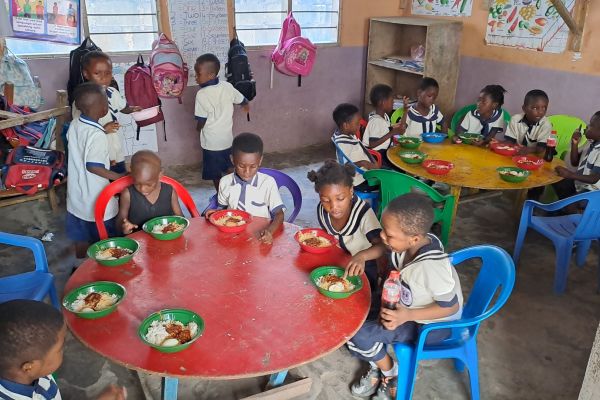
The meal supports the education taking place throughout the day. It gives pupils the nourishment they need to concentrate and allows staff and children to share part of daily life together, strengthening the relationships within the school community.
Christian faith is woven naturally into life at HPA. Pupils learn from the Bible, take part in worship and are encouraged to understand that they are known and valued by God.
The school’s motto is Moral and Academic Excellence, reflecting its commitment to both strong teaching and Christian character. Academic progress matters, but the HPA team also wants children to develop values that will shape their choices, relationships and contribution to their communities.
John Adu shared the example of a former pupil who was chosen to lead Scripture Union after progressing to senior high school. For HPA’s teachers, this was encouraging evidence that the Christian foundation developed at school was continuing to influence the pupil’s life and benefit others.
HPA hopes pupils will carry these values with them wherever they go next. Bible teaching and worship are therefore not treated simply as extra items on the timetable. They form part of the school’s wider commitment to helping children grow in knowledge, character and faith.
One detail from John Adu’s conversation reveals both the creativity of HPA’s teachers and the difference that suitable resources can make.
Before the school had computers, teachers used stones to help pupils practise the hand movements involved in using a computer mouse. The children could begin learning the basic idea, but they had no opportunity to develop their skills using real equipment.
With support from WorldShare, HPA was able to establish a computer classroom. Pupils can now practise using an actual keyboard and mouse and become familiar with technology they are likely to encounter later in their education.
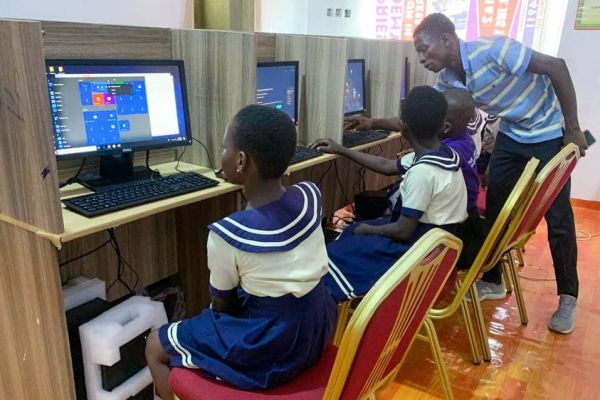
These skills are increasingly important as computers become a normal part of study and employment. A pupil may be academically capable but still begin senior high school at a disadvantage without previous access to technology.
The computer classroom gives children practical experience and allows them to discover whether computing might become an important part of their future. One former pupil is now studying computer science at university.
HPA has seen former pupils continue through senior high school and into further education. The school invites some of them back to meet current classes and speak about what they have achieved.
For a child who has had few educational role models, meeting someone who began in the same classrooms can make future opportunities feel more real. It shows pupils that where they begin does not necessarily determine where they can go.
The relationship between HPA and its pupils also continues after they leave. Teachers visit former pupils at senior high school, ask how they are progressing and offer encouragement where they can. That continued interest can be especially valuable for young people who have few other adults closely following their education.
HPA’s aim is not to direct every child towards the same future, but to help pupils develop the abilities, knowledge and confidence needed to make meaningful choices for themselves.
HPA currently has 172 pupils, but its existing buildings were not designed for that number of children. The lack of classrooms means that some teachers must combine two year-groups together, placing additional pressure on staff and making it harder to give each class the space and attention it needs.
With donations from WorldShare's supporters, the school has secured land and are currently planning to build a new purpose-designed school block with enough classrooms for its pupils. Until then, the team continues making the best use of what is available.
“Though we don’t have the funds, the little that we have, we put everything into ensuring that these children smile at the end.”
John Adu’s words capture the commitment of the HPA team. The school does not have every resource it would like, but its staff continue finding ways to teach, feed and encourage the children entrusted to their care.
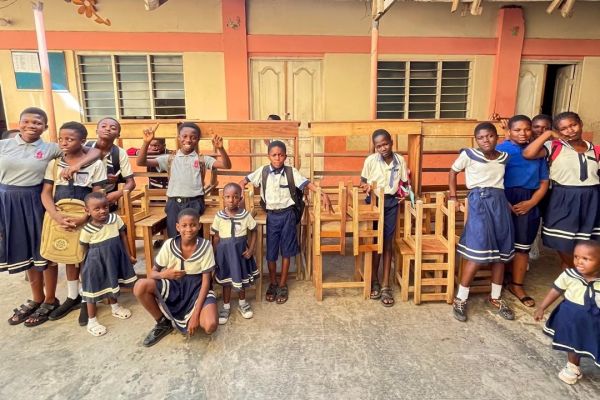
WorldShare initially supported HPA through the 10:10 Project, helping the school provide resources including textbooks, nutritious meals and the computer classroom.
HPA has since become part of WorldShare’s ChildAid programme. Through child sponsorship, supporters help provide education, meals and ongoing care for vulnerable children while also strengthening the wider school community.
This support stands alongside the commitment of the school's founder, Pastor Samuel Amponsah, John Adu and the HPA teaching team who desire to see each child grow academically, spiritually, physically and socially.
That vision can be seen throughout all aspects of school life. Together, they reflect HPA’s commitment to helping each child flourish.
A place in the classroom gives a child the opportunity to learn, but children also need nourishment, encouragement, suitable resources and adults who recognise their potential.
Please pray for the pupils and staff of HPA. Ask God to provide the food, educational resources, classroom space and committed teachers the school needs. Pray that every child will discover their abilities, grow in faith and receive the encouragement needed to pursue the opportunities ahead.
Through WorldShare’s ChildAid programme, you can help provide the education, meals and ongoing care that make this possible.
